
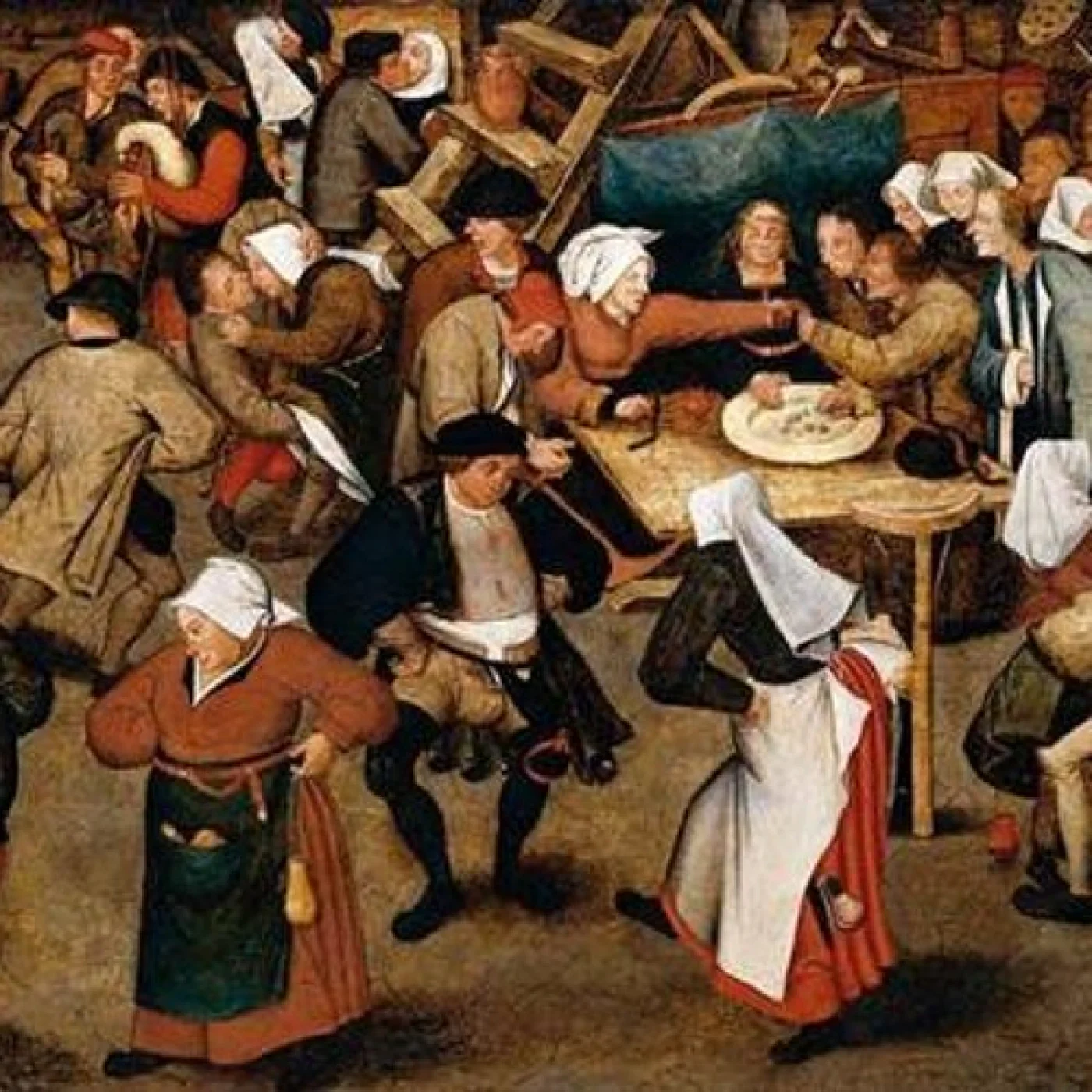
Medieval painting was less concerned with accurately depicting the visible world than with revealing its hidden order. Images were windows into a spiritual reality. Gold backgrounds did not symbolize wealth, but rather the eternal. Perspective was secondary to meaning. A saint could be depicted larger than a king because his spiritual role seemed more important than any physical logic. Many works were created in monasteries or workshops whose artists remain nameless today. The concept of individual authorship played a lesser role than it would later in the Renaissance. Art was service, not self-expression. Nevertheless, numerous frescoes, altars, and illuminated manuscripts display a remarkable sensitivity to rhythm, color, and human emotion. Illuminated manuscripts, in particular, developed an astonishing delicacy. In illuminated manuscripts, ornamentation, script, and imagery combined to form an almost meditative unity. The pigments used were often precious: lapis lazuli from Afghanistan, cinnabar, and gold leaf. Some manuscripts took years or even decades to complete. At the same time, medieval painting was strongly influenced by symbols. Animals, plants, and colors carried meanings familiar to viewers of the time. The lion stood for strength and resurrection, the lily for purity, and blue for the heavens.
Translated with DeepL.com (free version)